Facelift Surgery in Istanbul
Facelift surgery (rhytidectomy) is a popular procedure designed to reduce signs of aging, tighten facial tissues, and improve overall facial appearance. By addressing sagging skin, deep facial lines, and wrinkles, a facelift helps create a smoother, firmer, and more youthful profile. At Best Clinic Istanbul, our skilled surgeons provide personalized facelifts that restore your natural beauty and boost your confidence.
What Is Facelift Surgery?
Facelift surgery, also known as rhytidectomy, is a procedure designed to address the visible effects of aging, including sagging skin, deep facial folds, and loss of muscle tone. The surgery tightens the skin and repositions the underlying tissues to rejuvenate the face, creating a smoother, more youthful appearance. This procedure can significantly enhance the contour of the jawline, neck, and cheek area, offering long-lasting results.
Why People Choose Facelift Surgery
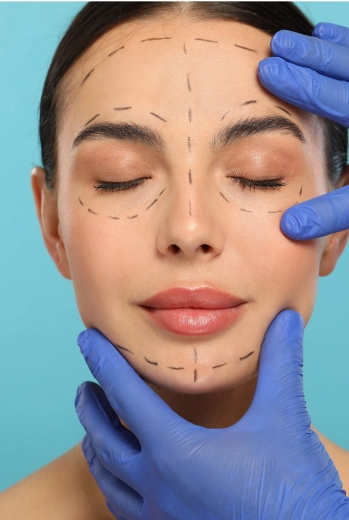
Facelift surgery is ideal for those who want to restore a youthful appearance and reduce signs of aging such as sagging skin and deep wrinkles. This procedure offers both aesthetic and psychological benefits, improving facial harmony and boosting self-confidence.
Benefits:
- Smoother Skin: Tightens loose skin, reducing wrinkles for a more youthful texture.
- Enhanced Facial Contours: Improves the jawline and cheek structure, offering better facial harmony.
- Long-Lasting Results: Offers durable, long-term results compared to non-surgical options.
- Improved Neck and Chin Profile: Corrects sagging skin under the chin and along the neck, achieving a smoother neck contour.
Boosted Confidence: Many patients report feeling rejuvenated and more confident after the surgery.
Restores or Enhances Breast Volume
Our Industry Expertise in Facelift Surgery
At Best Clinic Istanbul, we perform facelifts with precision and expertise. Our surgeons use advanced techniques to restore facial harmony and provide lasting results. We prioritize patient care throughout the entire process, from consultation to recovery.

The Facelift Surgery Process
The facelift procedure is designed to rejuvenate your appearance by lifting and tightening the skin, smoothing out wrinkles, and restoring the youthful contours of your face.

Consultation and Diagnosis
A comprehensive consultation to discuss your concerns, review your medical history, and establish your goals for the surgery.

Surgical Procedure
Facelift surgery is performed under general anesthesia. The surgeon makes incisions along the hairline and around the ears to lift the skin, tighten muscles, and remove excess fat.

Recovery and Aftercare
After the surgery, a compression garment is worn to reduce swelling. Recovery typically takes 2-4 weeks, with final results visible after 3-6 months. We provide you with detailed aftercare instructions for optimal healing.
FAQs
What is the recovery time for a facelift?
Most patients recover within 2-4 weeks, but swelling and bruising may take longer to fully subside.
Is facelift surgery painful?
Pain is typically mild and well-managed with prescribed medications.
How long do facelift results last?
Facelift results can last 10-15 years, depending on lifestyle and aging factors.
Will there be visible scars after the surgery?
Scars are minimal and are strategically placed around the ears and hairline to ensure they are discreet.
Can I combine a facelift with other procedures?
Yes, facelifts are often combined with procedures such as eyelid surgery, brow lifts, or liposuction for enhanced facial rejuvenation.
Is a facelift covered by insurance?
As a cosmetic procedure, facelifts are typically not covered by insurance, though financing options are available.
How long does the surgery take?
Facelift surgery generally takes between 3-5 hours, depending on the extent of the lift.
Can I return to normal activities immediately after the surgery?
Most patients can resume light activities within 2-4 weeks, but strenuous exercise should be avoided for at least 6 weeks.
What are the risks of facelift surgery?
Risks include infection, scarring, hematoma, and temporary or permanent numbness. Choosing a skilled, experienced surgeon minimizes these risks.
All services
All services
Contact us
Address Medical
Work Time Information